
Striving to Bootstrap Atom-Smashers: The Comical Quest to Automate Nuclear Plant Operations
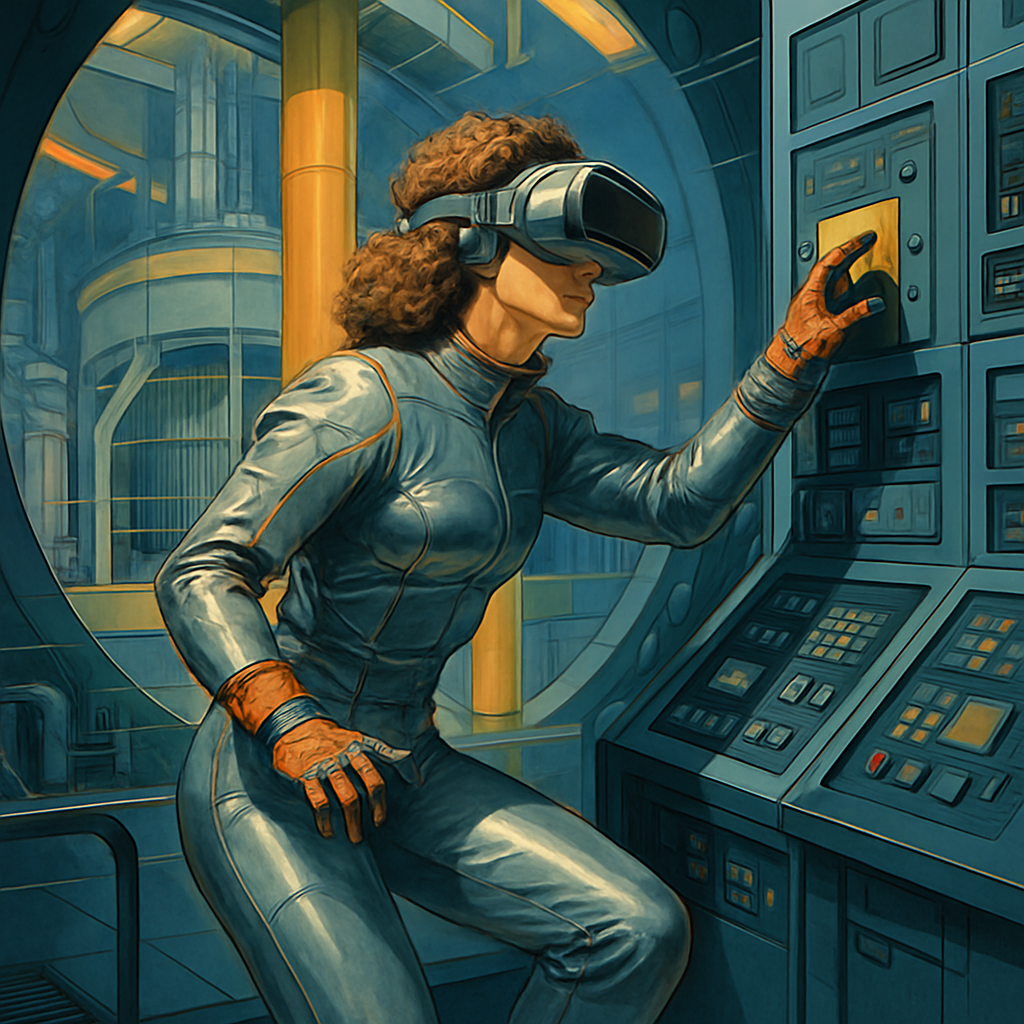
“Working to automate nuclear plant operations”
“Dressed in goggleFit virtual reality gear, Lauren Fortier can “walk inside” the off-site digital twin of the MIT Nuclear Research Reactor (MITR) and make her way to a switch that a team member can’t locate. Using her engineering acumen and intimate knowledge of the plant — honed by countless hours in the actual control room and now in the digital realm — she expertically guides her colleague to the correct location.”
Well isn’t this fascinating. There’s a nuclear plant running sweetly on autopilot, while an engineer lounges around in VR gear, essentially playing what could be the world’s most significant video game. Remember when kids used to dream about becoming astronauts or firefighters? Now, they’ll be yearning to control nuclear power plants via virtual reality. Trust us, Lauren Fortier is already living the dream at MIT Nuclear Research Reactor (MITR).
Hang on a minute, don’t fret about safety. This isn’t some reckless jaunt into the digital unknown. It’s the culmination of years of research and development at MITR. The team there, including the VR-toting hero of our story, Lauren, has been working round the clock to enhance the safety and efficiency of nuclear plants through automation.
Fortier was a lone student all those years ago, who with a pinch of curiosity and a sprinkle of determination, delved into the complexities of nuclear plant operations. Let’s be honest, it was hardly the viral TikTok dance or the K-pop band obsession shared by most of her peers. Fast forward a few years, she’s now part of a team that is revolutionising the nuclear power industry. Yes, you read that right, revolutionising.
Let’s delve in a bit more to get where all poetically sarcastic tones are getting to. The team is using a technological gem known as “digital twin technology”. It mirrors the existing nuclear reactor in a digital universe, a bit like having a clone, but of a gargantuan nuclear reactor. What do they do with this clone? They test, tweak, modify – all virtually of course. This helps in not only identifying potential issues before they occur in the real world, but also assists in training and honing the skills of personnel.
Fingers crossed though, watch out before they start producing digital clones of engineers, escaping the hassle of human sustenance like food, water or a quick Netflix binge in between work hours. Jesting aside, this technological breakthrough could revolutionize the way nuclear power plants are run, making them safer and more efficient.
Though let’s not forget, it’s not all rosy. It comes with its fair share of challenges. From data security risks to technical glitches, there’s a laundry list of potential problems. But hey, Rome wasn’t built in a day.
So, while Fortier walks around in goggles in a nuclear plant’s digital replica, her efforts are paving the way for the future. So next time you pass by one of those large, intimidating nuclear facilities, remember, there could be a Lauren Fortier in a control room, navigating through a digital clone, all while probably sitting in a comfy revolving chair.