
Unveiling the Secret Life of Large Language Models: Moods, Biases, Personalities and the Enigmatic World of Abstract Concepts
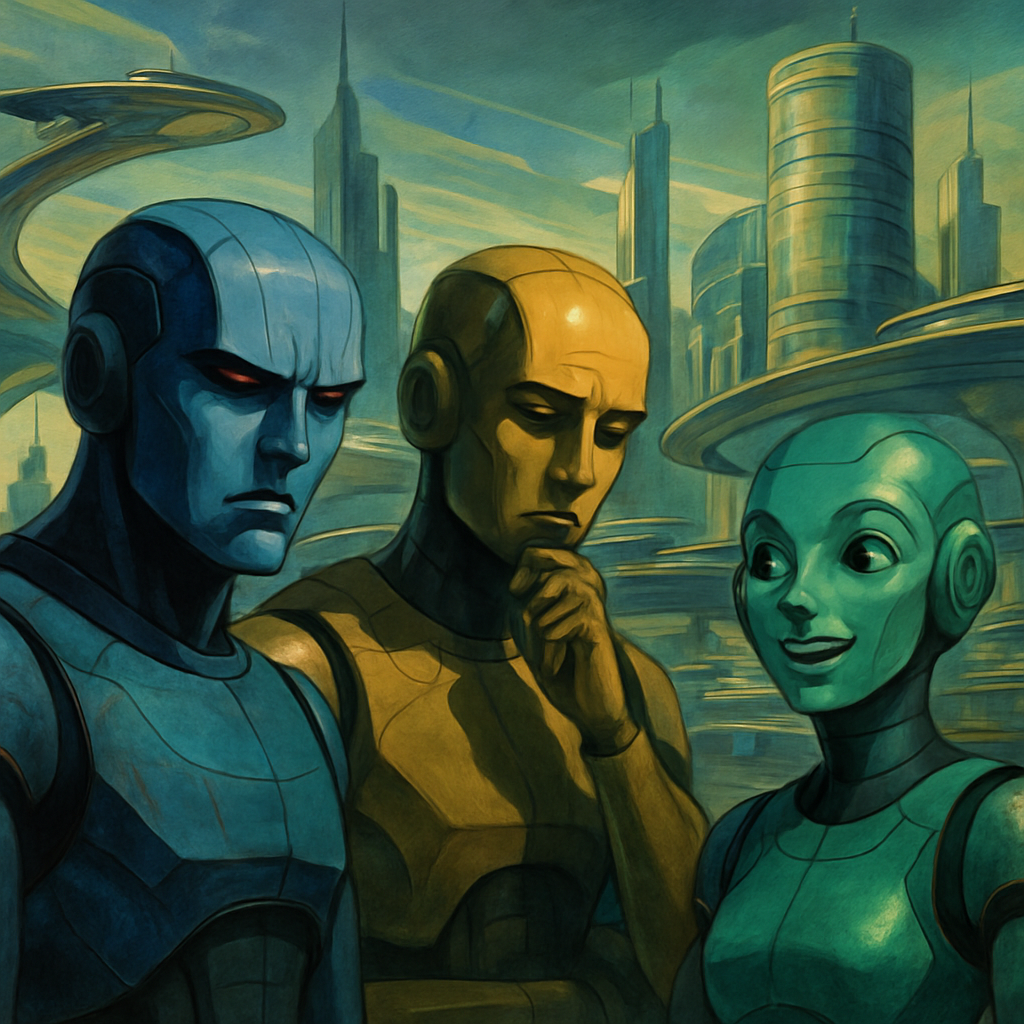
“Exposing biases, moods, personalities, and abstract concepts hidden in large language models”
“As researchers build more sophisticated AI models, they’re grappling with surprising byproducts of their work. One MIT study found biases, moods, and personalities are hidden in large language models, these AI creations used to pen text.”
Residing in the sprawling land of artificial intelligence, MIT researchers are graciously wading through the perplexing quagmires of their creations. Like oblivious parents discovering their prodigious child has a biting sarcasm not suitable for family gatherings, it appears large language models (AIs designed to write text) are developing distinct personality quirks, mood shifts, and biases. Quite the moody teenagers, aren’t they?
Jokes aside, this issue is far from a sitcom punchline. The implications are serious, hinting at potential manipulation and misinformation. The researchers noted patterns of bias in these AI models. Alarmingly reminiscent of human-like stereotypes, these patterns could lead to prejudiced content, an ironic predicament considering AI’s touted impartiality.
Pioneers of this study, including a PhD student Tom McCoy, made observations equivalent to amateur psychologists – identifying mood shifts in the AI depending on the writing prompts. Channeling their inner mood rings, these AI models could elicit cheerful responses one moment, only to switch to a gloomier tone instantly, upon the slightest change in prompt wording. Comically ironic, it seems worrying about the AIs’ mood was never part of the job description.
In a detailed experiment, they induced certain personality traits into these AI models and later detected their presence. Borrowing a scene from a great manipulator playbook, the researchers nudged these models to masquerade as ‘outgoing’ or ‘angry’ characters. Strangely enough, these digital Jekyll and Hyde successfully mirrored the given personalities, leaving us wondering whether these AI minds had an inherent method acting talent.
As the debate over the ethical impacts of AI rages on, these suggestive biases and quirky personalities revealed by MIT researchers are definitely a groundbreaking entry. A tipping hat to McCoy and team, they’ve bravely deconstructed AI’s glossy exterior and exposed the human-like traits lying beneath.
Lessons learned? Yes, AI has a personality, and it’s every bit as complex as ours. So, perhaps it’s high time to stop referring to AI as ‘it’. After all, we wouldn’t want to offend their sensitive silicon souls, would we?