
“Embrace Efficiency: Discover the AI Humorously Keeping You on Track”
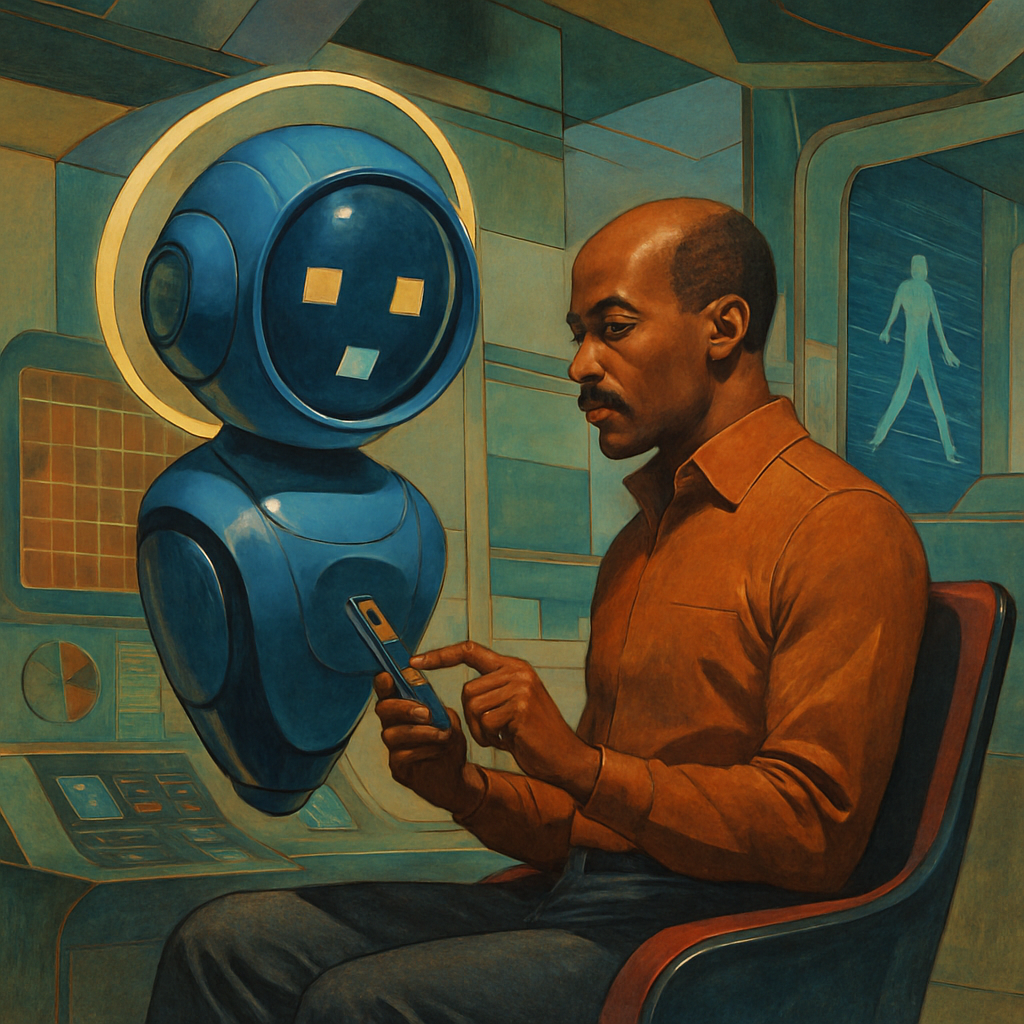
“This AI Tool Will Tell You to Stop Slacking Off”
“By monitoring your calendar, your physical activity, and even how many times you’re swiping at your phone every minute and what you’re doing on it, FOMI will give you actionable feedback about how you can fix your work-life balance, stop procrastinating, or work more efficiently.”
Exist for the tech-savvy people, the new Artificial Intelligence-based FOMI. It promises to be our savior from procrastination and expert guide to help carve out that perfect work-life balance that everybody but us seems to have. With its keen eye on our calendars, our not-so-frequent physical activity, and, oh yes, the countless swipes on our phone, this AI expert seems determined to be our life coach.
Isn’t it cute? FOMI is dished as the modern-day fix-it-all solution. Forget about the idea we might be swapping one addiction (smartphone) for another (tracking everything). Don’t get fooled by all the glitter and sparkle. The groundbreaking invention might just be a new addiction marketing itself as a solution.
Next, let’s unpack the claim that FOMI will provide “actionable feedback”. Imagine being adult enough to pay taxes, vote, and handle rental agreements, but needing an AI to tell you to stop scrolling through social media at 2 a.m. and get some sleep. Adorable!
Finally, there’s that sweet promise of working more efficiently. As if hours-long Zoom meetings and unending emails weren’t enough, now an AI is going to streamline our lives! It doesn’t become more exciting than that, does it?
Oh, and in case there were lingering doubts, it’s also going to “monitor” our activities. After all, hasn’t everyone dreamed of being watched over by an AI? It’s like having an omnipresent nanny hovering over you, ensuring you’re doing everything “efficiently.”
FOMI shows that artificial intelligence has permeated the daily lives of people in astonishing ways. But sometimes technology, instead of being our great savior, just takes us another notch up the ladder of our dependency.
The bottom line is, we might’ve outsourced a bit too much of our lives to data, AI, and the likes. Maybe it’s necessary sometimes, or maybe it’s the allure of having a ‘smarter’ life. But in this quest for digital optimization, let’s not forget our basic human skills. After all, who needs an AI telling them the secret to stop procrastinating is, well, to stop procrastinating?